

AT THE FAR EDGE
OF THE CHART
Discovering French Polynesia by superyacht on Big Sky


Holly Margerrison discovers the quiet anchorages of the Society Islands in French Polynesia on board 48-metre charter yacht Big Sky
French Polynesia recalibrates your sense of scale – not only geographically (though it spans a maritime area larger than Europe), but culturally too. Travelling by superyacht allows a different way to see the islands, moving slowly among the great cultural contrasts of this French overseas collectivity (spread across five archipelagos) and delving into them. With 118 islands in total – 67 of which are inhabited – each one offers something different to absorb and discover. This is not somewhere to tick off. It is somewhere to absorb.
On a warm morning at Marina Taina in Tahiti, just a 25-minute drive from Tahiti International Airport, the 48-metre motor yacht Big Sky awaits.
Soon after stepping aboard, a garland made from tiare – the richly scented white flower that serves as both national emblem and welcome – is placed over my head. In Polynesian culture, this lei, as it’s known locally, isn’t just decorative; it is an offering of honour and respect.
With few yachts visiting French Polynesia each year, owners and charter guests can bank on seeing the region’s magic at an unhurried pace


Chartering here suits those who are looking for cultural and environmental immersion. Its location in the far reaches of the South Pacific Ocean, approximately halfway between California and Australia, means that cruising numbers will never compare with those of the Caribbean or Mediterranean.
ON BOARD BIG SKY
Listen to the BOAT Briefing podcast
What does it take to run and sell a superyacht charter in one of the most remote regions on Earth? In this episode of BOAT Briefing, recorded in the Society Islands, BOAT’s head of digital content takes a behind-the-scenes look at chartering far beyond the Med.


In the past 12 months, the islands of French Polynesia have welcomed just 56 superyachts, compared to more than 2,500 in the Caribbean over the same period, according to BOATPro data. French Polynesia offers cruising in blissful solitude, which is part of the reason Big Sky relocated here two years ago.
Big Sky soon slips her lines and heads for Moorea, a heart-shaped island that lies 10 nautical miles northwest of Tahiti. The island’s serrated emerald peaks rise 1,200 metres into the sky and are wrapped in a smattering of cartoon-like clouds.
As lunch is served on board, I can see Moorea’s lush jungle, which falls away into a turquoise lagoon where we’ll soon be swimming. Despite the long (and quiet) beaches, there are no other yachts in sight, just a few local va’as (Tahitian canoes) and smaller boats dotted before the island.


The 48m Big Sky || COURTESY OF BIG SKY
The 48m Big Sky || COURTESY OF BIG SKY


Dr Michael Poole, a marine biologist who has studied whales and dolphins in the region since 1987, speaks on board about the spinner dolphins that arc and twist through the water beside us. They are “little athletes”, he says, capable of diving 300 to 400 metres at night before resting in lagoons by day.
Humpbacks migrate from Antarctic waters between July and November to calve here. “Moorea is the primary hub for this,” says Poole, and it’s not long before I’m slipping into the water with my mask and fins to get a glimpse of them underwater. Encounters here are tightly controlled, so having a guide on board is necessary to ensure they are conducted correctly to avoid interference. Poole also reminds us that what’s needed is “patience and fortitude”.


I’m instructed not to splash or rush (which is surprisingly difficult given the adrenaline rushing through me) while we wait to catch a glimpse of a nearby humpback. Soon, a calf surfaces nearby, practising tentative breaches as her mother’s great shadow can be seen a few metres away. Each year, more than 1,500 humpbacks come to these waters before returning to the Antarctic with their young.


While Moorea is vertical and nature there theatrical, Huahine feels calmer with green hills folding into calm lagoons, and villages spread sparsely around the island. With around 6,000 inhabitants, it is often described as one of the most traditional of the Society Islands and sits 80 nautical miles northwest of Moorea. The morning light here is soft with a gentle haze that soon clears after sunrise.
We are spoilt for choice when it comes to anchorages, as each side of the island offers a paradisiacal spectacle that earns it its other name, the Garden Island, for its abundance of lush tropical foliage.
Huahine means “island of women”, and our guide, Moana, explains that from certain angles, the island resembles a pregnant woman lying on her back. The land is seen as feminine and fertile; female leadership has long played a central role here.


After anchoring in the Bay of Haapu, we stroll past market stalls brimming with papaya and pineapple before heading to Vanilleraie de Haapu (the island’s vanilla farm), which is fragrant with drying pods, and Fare Pote’e Maeva, where artefacts and oral histories are preserved. Chickens and pigs roam freely on the island, emphasising the island’s unaffected spirit, unspoilt by tourism.
On the powder-white sands of Huahine beach, which stretches for three miles, men and women split coconuts open with practised ease and hand them around. Here, our guides explain that islanders tuck frangipani flowers behind their ears to signal their relationship status (right ear means single; left is taken), while a ukulele provides the soundtrack. Nothing here feels overly staged; we are simply folded into the day’s rhythm.

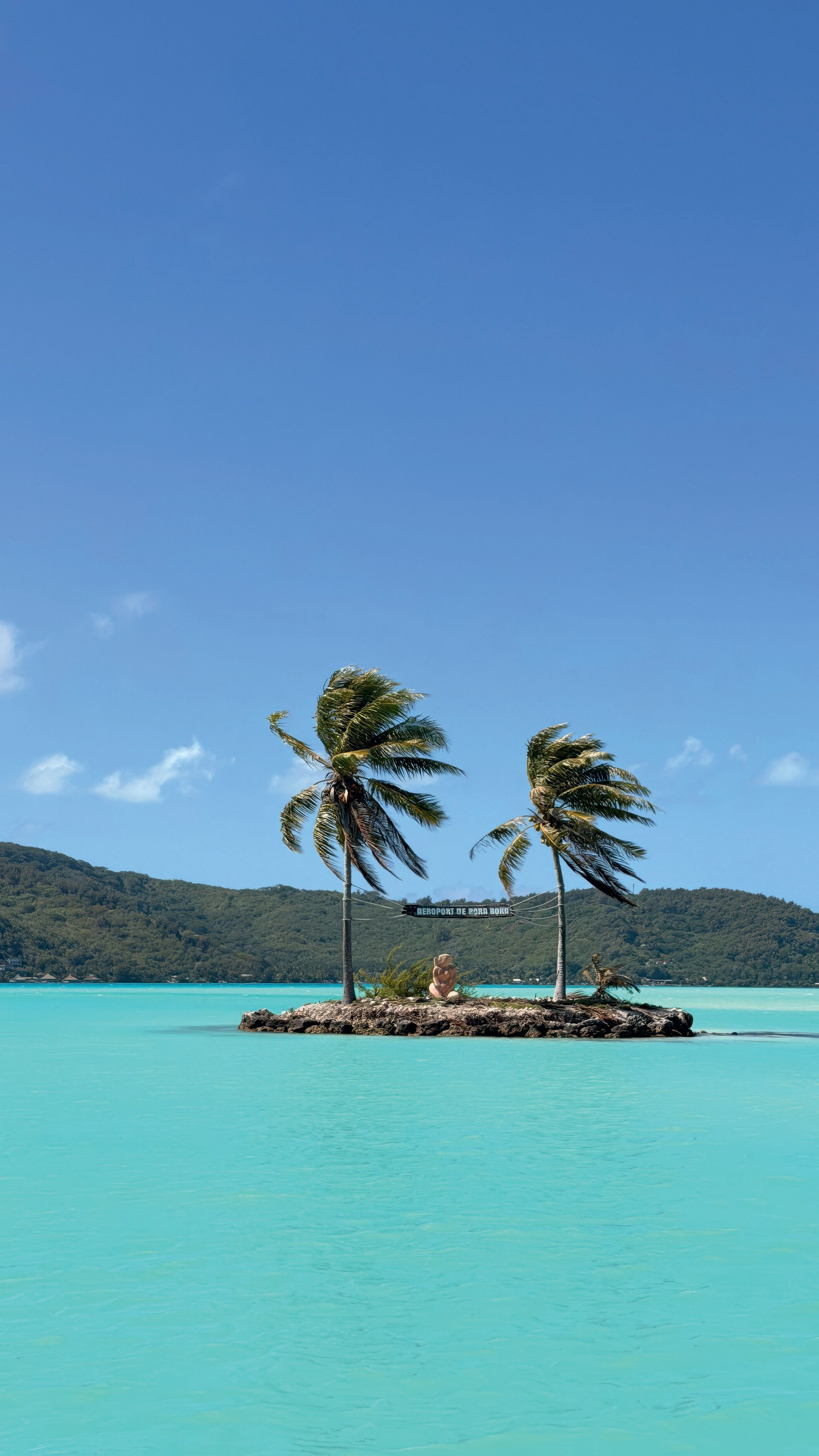
Fewer than 60 superyachts make the journey to French Polynesia each year, yet each island offers its own distinctive experiences, from diving and snorkelling to shore excursions || COURTESY OF BIG SKY
Fewer than 60 superyachts make the journey to French Polynesia each year, yet each island offers its own distinctive experiences, from diving and snorkelling to shore excursions || COURTESY OF BIG SKY

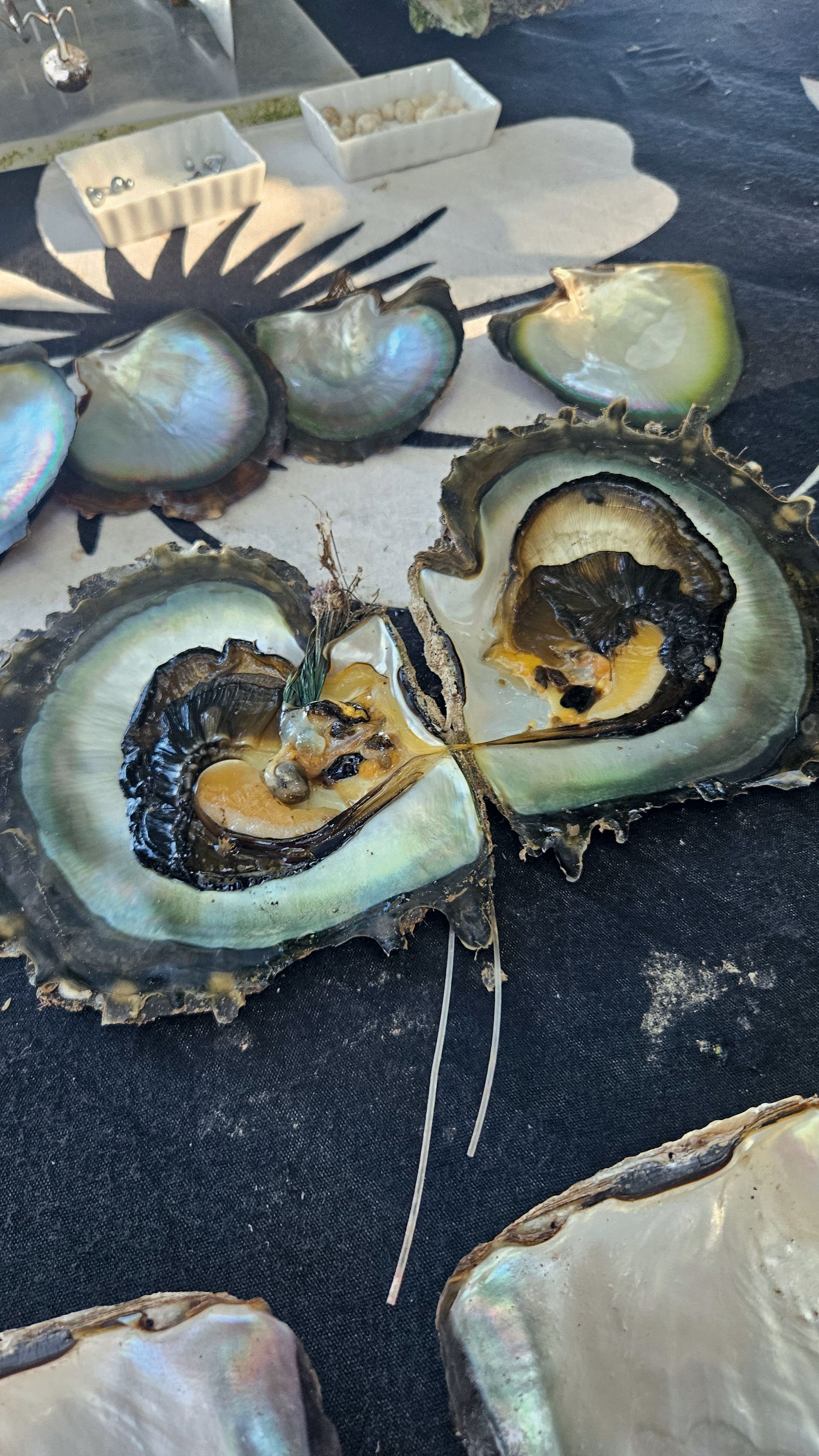
Tahitian cultured pearls are available in a variety of colours throughout the islands || COURTESY OF BIG SKY
Tahitian cultured pearls are available in a variety of colours throughout the islands || COURTESY OF BIG SKY

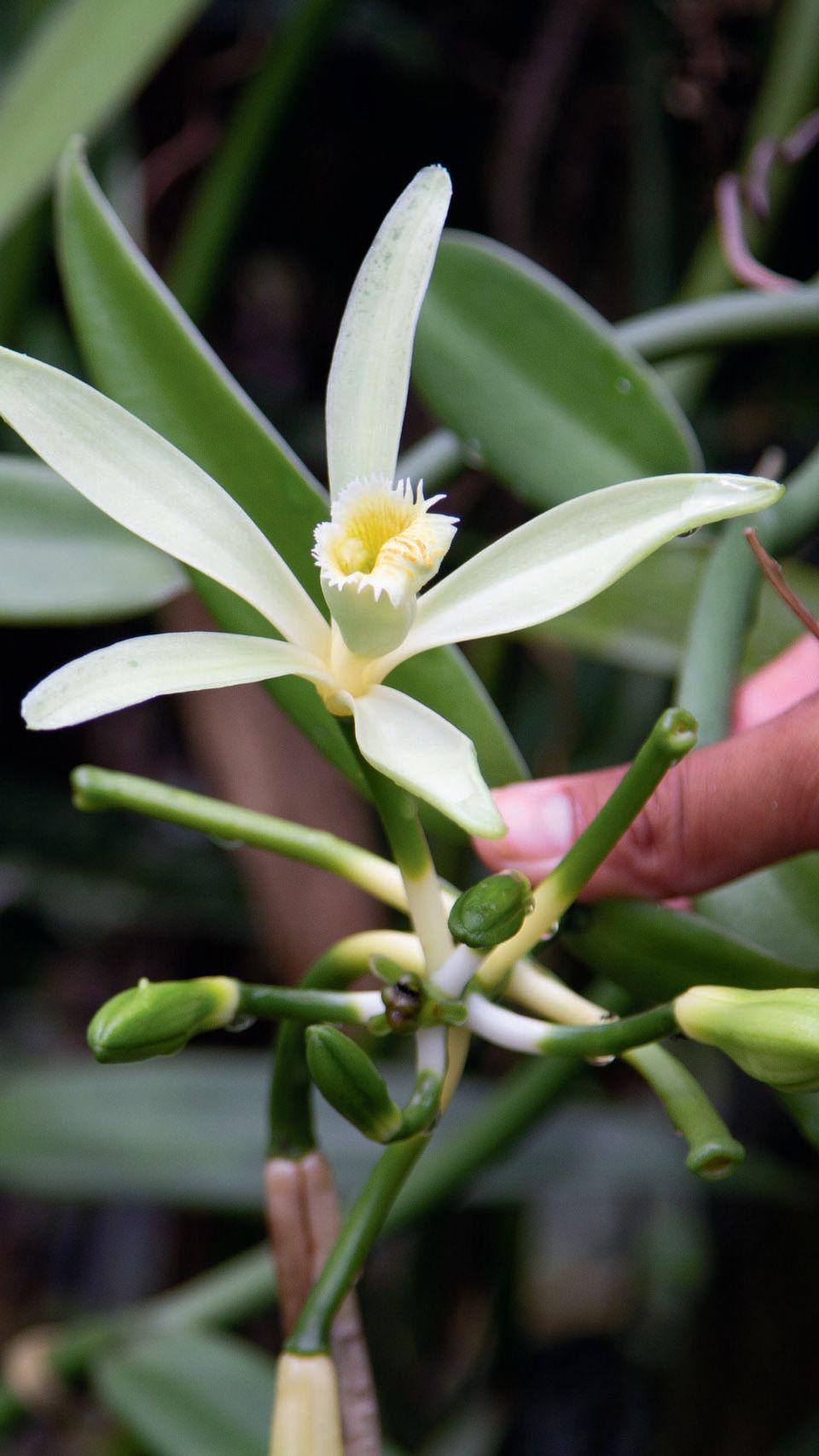
Tahitian vanilla is highly regarded worldwide and grown across the islands, with nearly 80 per cent produced on Taha’a || GETTY IMAGES
Tahitian vanilla is highly regarded worldwide and grown across the islands, with nearly 80 per cent produced on Taha’a || GETTY IMAGES


Back on board, chief stew Chichi whips up her cocktail of the day, the Hugo Spritz, alongside the chef’s homemade canapés of crisp nori chips topped with zingy tuna tartare. For a casual evening after a day of exploring, we don our dressing gowns and gorge on grilled cheese toasties while watching the Polynesian-themed Disney cartoon Moana in the yacht’s cinema. (As she constructed more toasties, the chef told me she once made 350 of them during a fishing charter. I’m not surprised as I reach for another.)
The crew noted that many locals embraced Moana for recognising Polynesian navigation as central to identity rather than folklore.
Beach barbecues can be a daily occurrence, with hundreds of secluded beaches to choose from. On Huahine beach, lobster is cooked directly on embers, while marlin and mahi mahi are grilled in minutes. Traditional accompaniments of baked breadfruit, taro and coconut bread are also laid out on platters woven from palm leaves.


However, it is the coconut that anchors the afternoon. We learn how to split it cleanly with a machete, drink the water, grate the flesh and squeeze it through cloth for milk. That milk is then folded into freshly caught tuna to make Tahiti’s signature poisson cru au lait de coco – raw fish lifted by lime and coconut milk.
Between courses, we learn the Polynesian game “Pātia Fa”, a spear-throwing contest where the aim is to hit a coconut, as well as fashioning handbags from woven coconut leaves (which were promptly dubbed coconut Chanel).

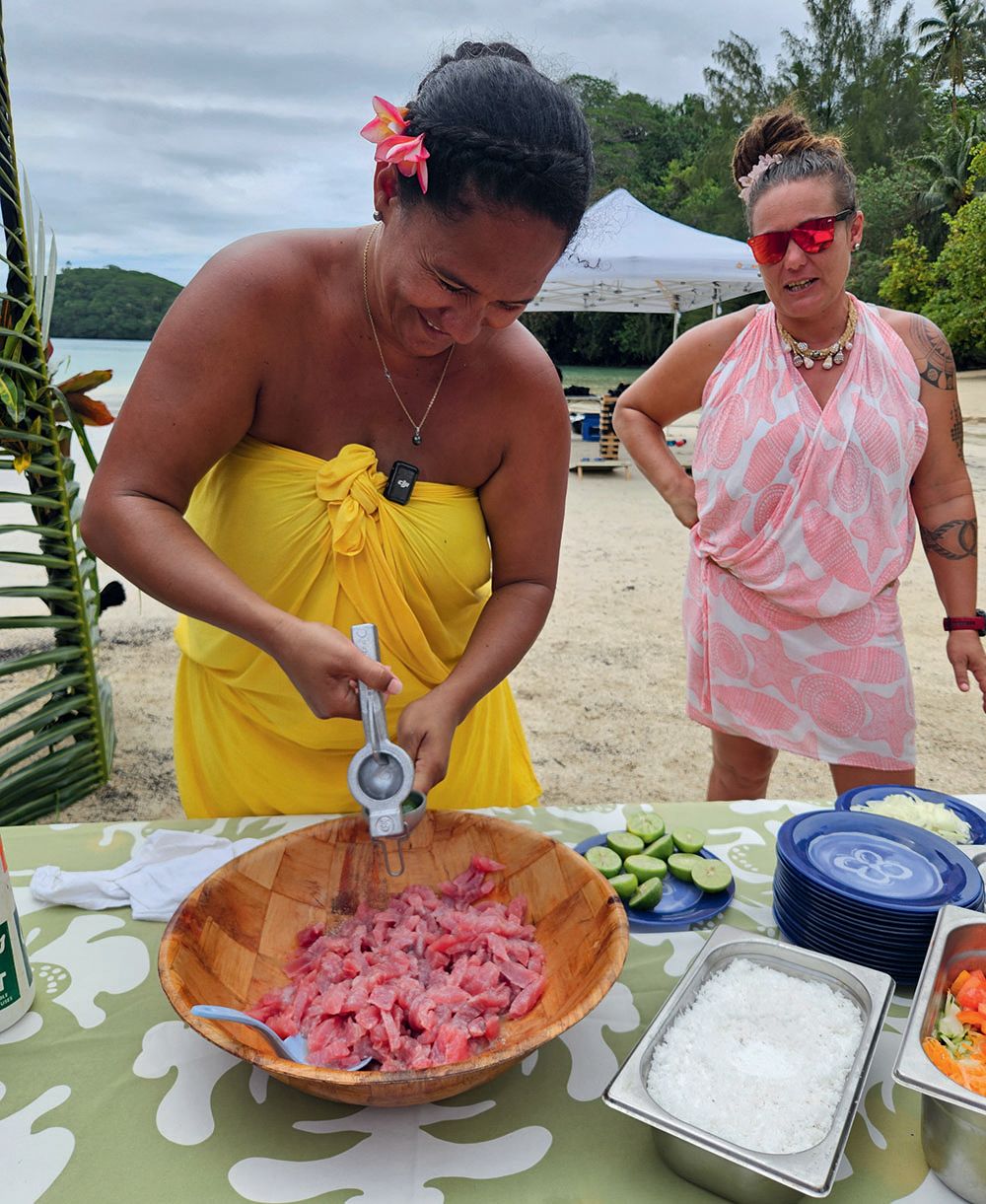
Tahiti’s signature poisson cru au lait de coco – raw fish marinated in lime and coconut milk || COURTESY OF BIG SKY
Tahiti’s signature poisson cru au lait de coco – raw fish marinated in lime and coconut milk || COURTESY OF BIG SKY
We were shown how to tie pareos properly, pleated and knotted with an ease that comes from repetition rather than rehearsal. Giant Jenga appeared, played jointly by crew and locals. It was joyful, unpolished and deeply human.
We are spoilt when it comes to anchorages, as each side of the island offers a paradisiacal spectacle
Raiatea quietly reveals itself as Big Sky threads her way through the narrow pass into Faaroa Bay and Captain Brett Woodford observes with satisfaction that it’s “a proper dog-leg entrance”. The mountains shelter the lagoon from the prevailing easterly winds, and the island is carpeted with green. Raiatea is special for many reasons, including its spectacular landscapes and picture-perfect beaches, but it is also considered the birthplace of Polynesian culture.
From the yacht, we head out to explore the Faaroa River, the only navigable river in the region, guided by Naïki Lutz, founder of Aroha Experience and a native of Raiatea. “I will be the link between what you see and the story behind it,” she tells us. As we move inland, she sounds a shell horn and points out plants once used for medicine, ritual and canoe-building. Everything, she explains, revolves around reading nature rather than controlling it.


At Taputapuātea, a UNESCO-listed marae considered an important archaeological and spiritual site, Lutz describes how migration routes from Asia through the Philippines and Indonesia followed star paths committed to memory. “They had this capacity of reading the sky and using the stars to go from point A to point B – and come back,” she said.
Raiatea, once known as Havai‘i, became the spiritual centre of this network. “When you are at Taputapuātea, you are the closest to the rising sun,” Lutz said.
Before we left, she asked what we wished to manifest. We answered lightly – clearer weather, perhaps, after days of rain. The following morning dawned cloudless. Coincidence, certainly. And yet, as she had said earlier, “Everything in daily life was about being in contact with the invisible.”
Raiatea and Taha’a share a lagoon, making the passage between them almost glass-like. At Tapuamu Bay, vanilla farms scented the air. We toured a black pearl farm, learning how cultivation is measured in years rather than months, and later snorkelled the coral gardens, where reef sharks moved without hurry and schools of fish flickered like confetti.
By the time we reached Bora Bora, formality had fallen away. Mount Otemanu emerged in charcoal and green as Big Sky entered the lagoon, the water shifting from aquamarine to deep sapphire within metres.


Days were spent drifting above coral gardens, swimming alongside black-tip reef sharks, learning to row va‘a canoes and visiting motu reachable only by boat. One evening, locals arrived singing softly before escorting us to a private islet, where fire dancers performed beneath a sky thick with stars, flames mirrored in the lagoon.
On our final morning, we slipped into the water at dawn to swim with manta rays. They moved with extraordinary grace, unfurling and folding their wings like something airborne beneath the surface. Captain and crew joined us; hierarchy dissolved into shared experience.
With only 50 to 60 yachts visiting French Polynesia each year, owners and charter guests can bank on seeing the region’s magic in solitude. Cameron Bray of The Superyacht People is clear that the journey must be intentional. “It’s not a last-minute add-on [to a charter itinerary],” he says. “You come because you mean to.”
Getting to these islands may require a long-haul flight (typically via Air Tahiti Nui from Los Angeles or Paris), but that effort is precisely what has helped preserve the region’s integrity. French Polynesia does not bend to tourism; visitors must bend to it.
Big Sky is available for charter with The Superyacht People.
First published in the May 2026 issue of BOAT International. Get this magazine sent straight to your door, or subscribe and never miss an issue.
 Built with Shorthand