

Where the WILD things are

Risa Merl dives into untamed Costa Rica to discover why this stretch of Central America makes a particularly special superyachting adventure
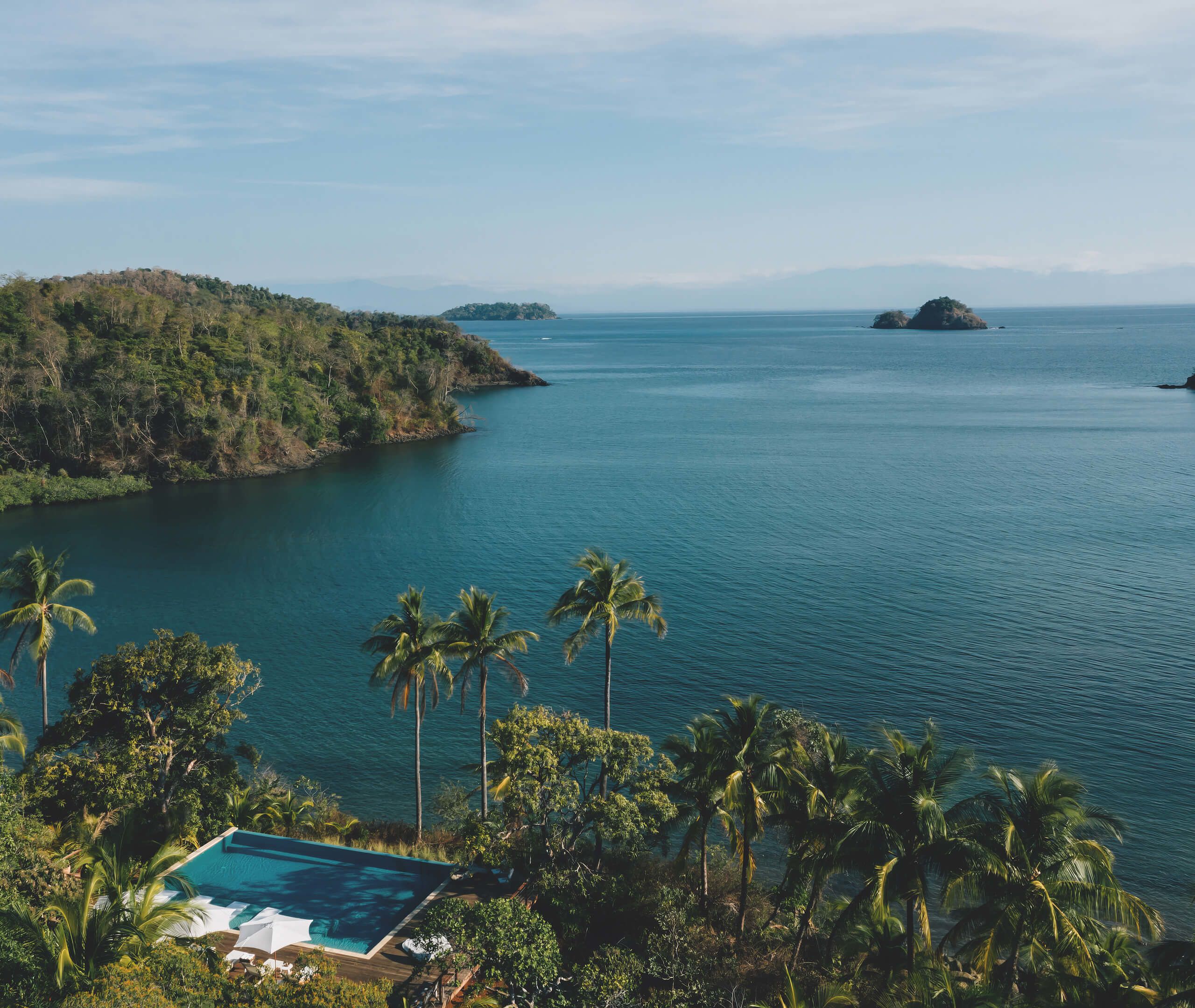
ISLA SECAS
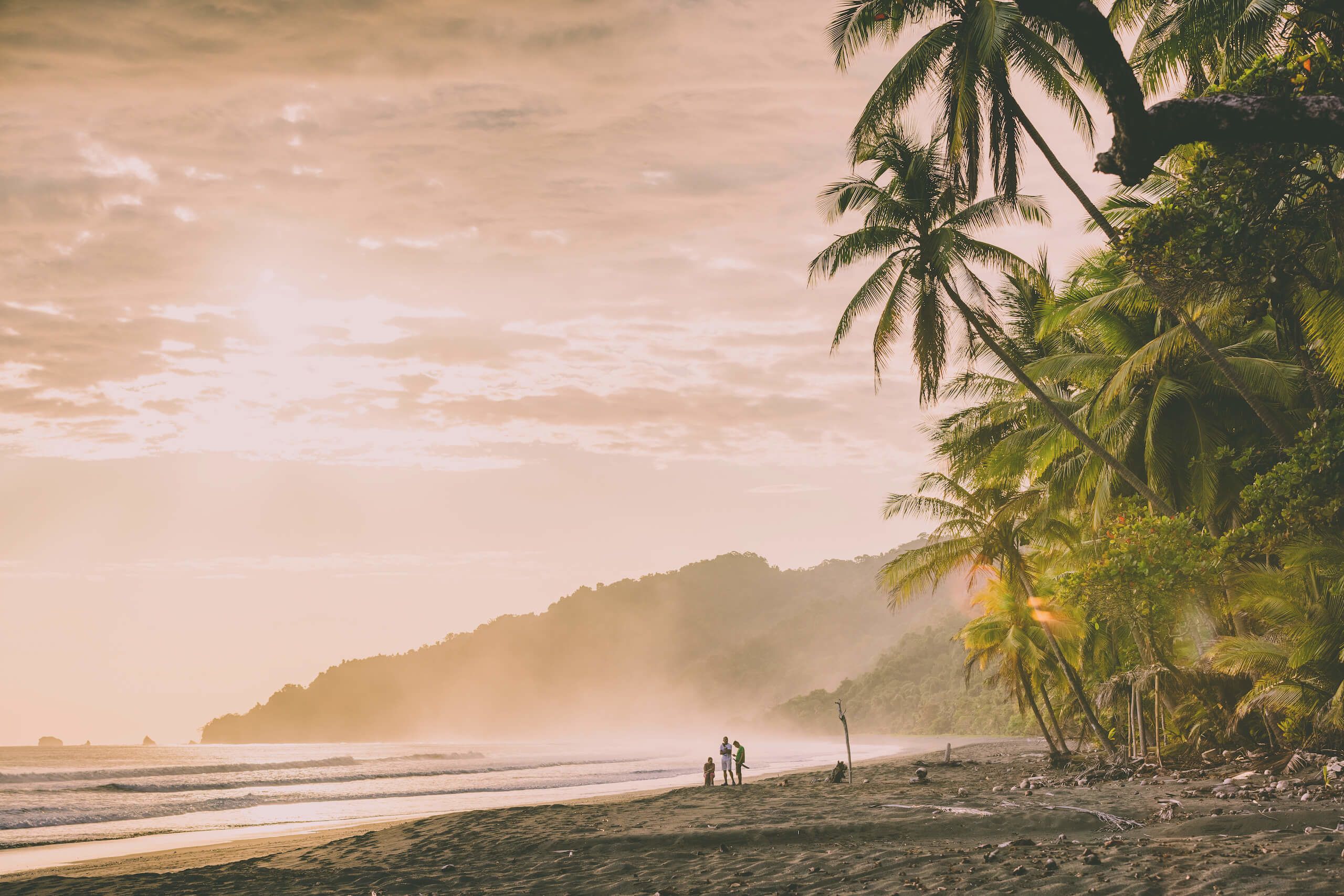
I wake in the morning and gaze out at the glassy expanse of the Pacific beyond. The crew weighed anchor before sunrise, and the 39-metre explorer yacht Kontiki Wayra is already on the move. As the morning light illuminates the seascape, a smattering of lush green islands comes into view on the horizon. Soon, we pull into an anchorage where jungled hills slope down to a wild beach. There are no other boats in sight.

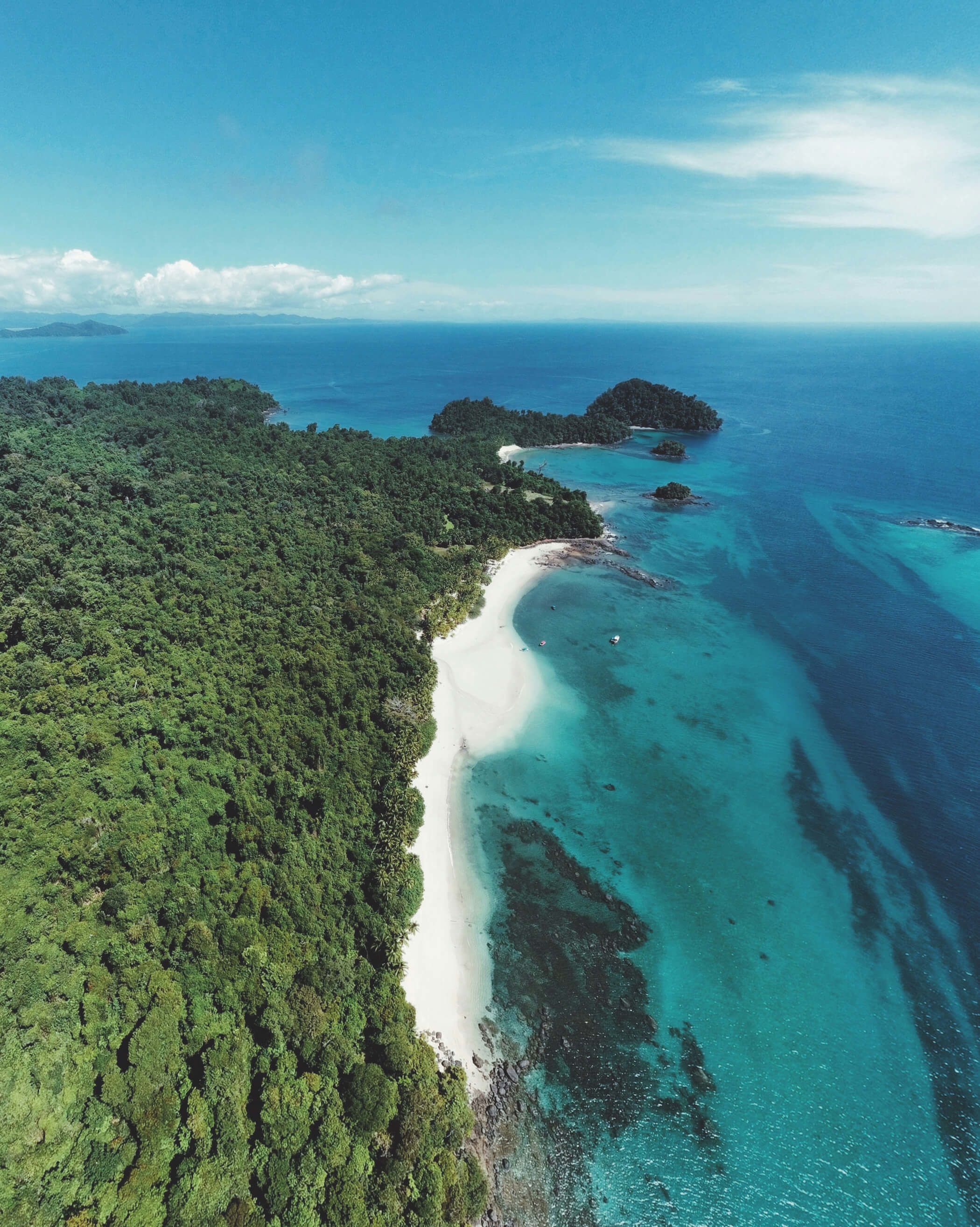
There are few coastlines that still feel undiscovered, but the Pacific shores of Costa Rica and Panama come remarkably close. Yachtsmen have long sought out that enigmatic sweet spot of a destination that seems far away from it all but is geographically near to home. It’s one of the reasons the Caribbean has long reigned supreme as a cruising ground.
Untamed and unhurried, remote but not inaccessible, this stretch of Central America, specifically the southern shores of Costa Rica and the islands off northern Panama on the Pacific Coast, does a splendid job of sating this craving.
There is so much that few ever see beyond the well-trodden tourist track of cloud forests and surf breaks in Costa Rica and the famous Panama Canal. So, when the invitation came from Pelorus Yachting to join Kontiki Wayra on a voyage through the lesser-visited cruising grounds in this region, I prickled with excitement.
Our journey begins at an unassuming dock at a mangrove-lined inlet in Boca Chica, a sleepy town in the Chiriquí Province of western Panama.


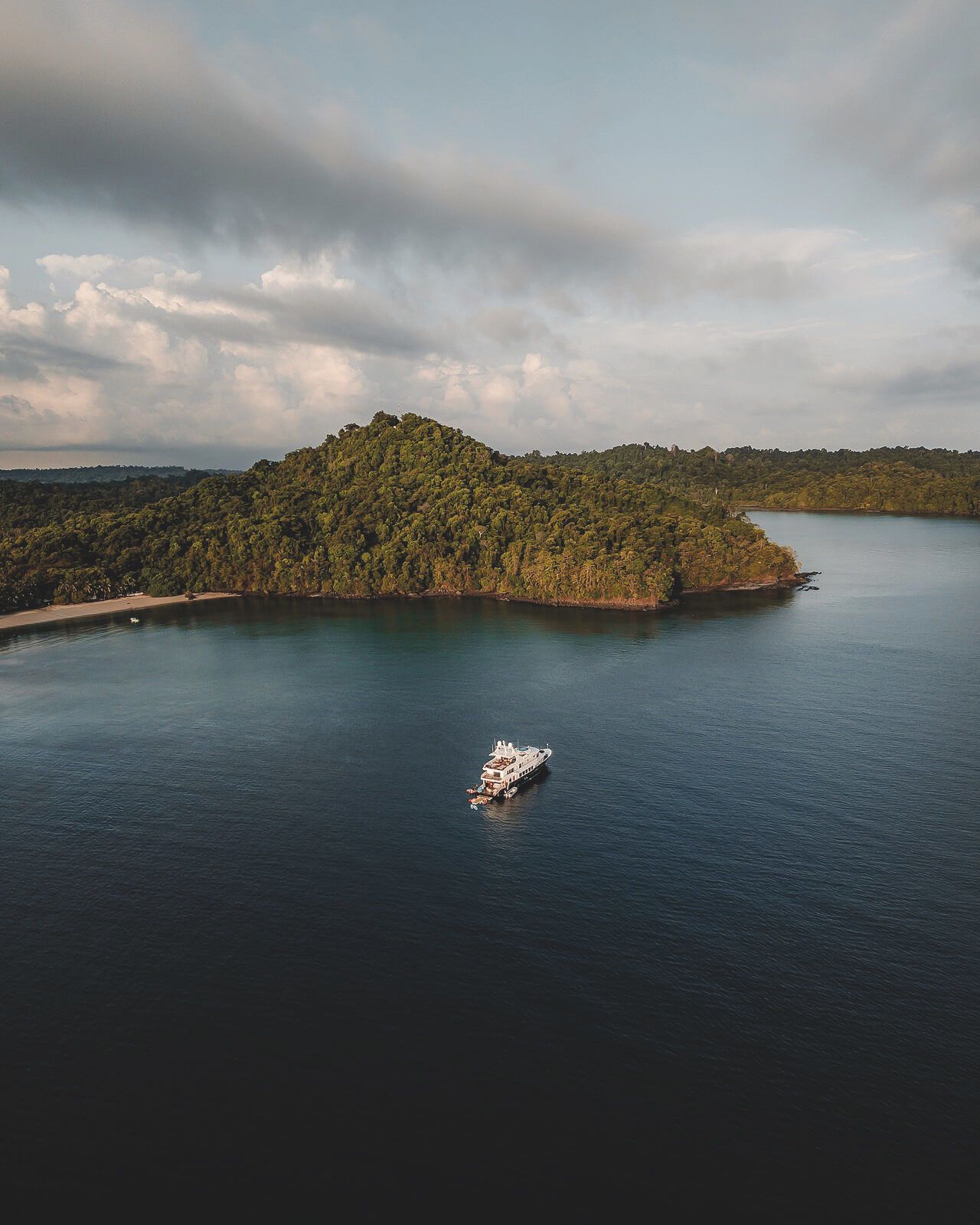
DANA BJANER Kontiki Wayra at anchor
DANA BJANER Kontiki Wayra at anchor
The tender delivers us to Kontiki Wayra at anchor at the river’s mouth. The expedition yacht started life as a liveaboard dive boat before her owners, Carlos Núñez and his wife, Soledad Calderon, rebuilt her from the inside out.
The refit included extending the stern by nearly two metres, revising the interior layout with open-plan living areas and nine welcoming guest cabins, and replacing the small portholes with panoramic windows ripe for taking in views. She was also updated with charter-friendly amenities, from a spa tub to gym and wine cellar to a well-stocked box of water toys.
Calderon put her master’s degree in interior design to good use when creating the yacht’s warm and welcoming interior decor. “I wanted it to feel like you’re at home, with spaces that invite you to relax and enjoy,” she says. Natural and eco-friendly materials, including carpets woven from recycled PET fibres and a calming colour palette, create an inviting atmosphere.
It’s all adorned in handmade pieces, from blankets to pottery, made by artisans from Ecuador, the owners’ home country. Kontiki Expeditions is the first yachting company in this region to become B-Corp certified, eliminating single-use plastics, offsetting emissions and working closely with local communities.
The concept behind Kontiki Expeditions was born three years ago, when the yacht first stretched her legs. “We started in Ecuador following a crazy dream,” Núñez says. “Little by little, we moved into Costa Rica and now Panama. These countries offer so much: rich culture, diversity and nature.”

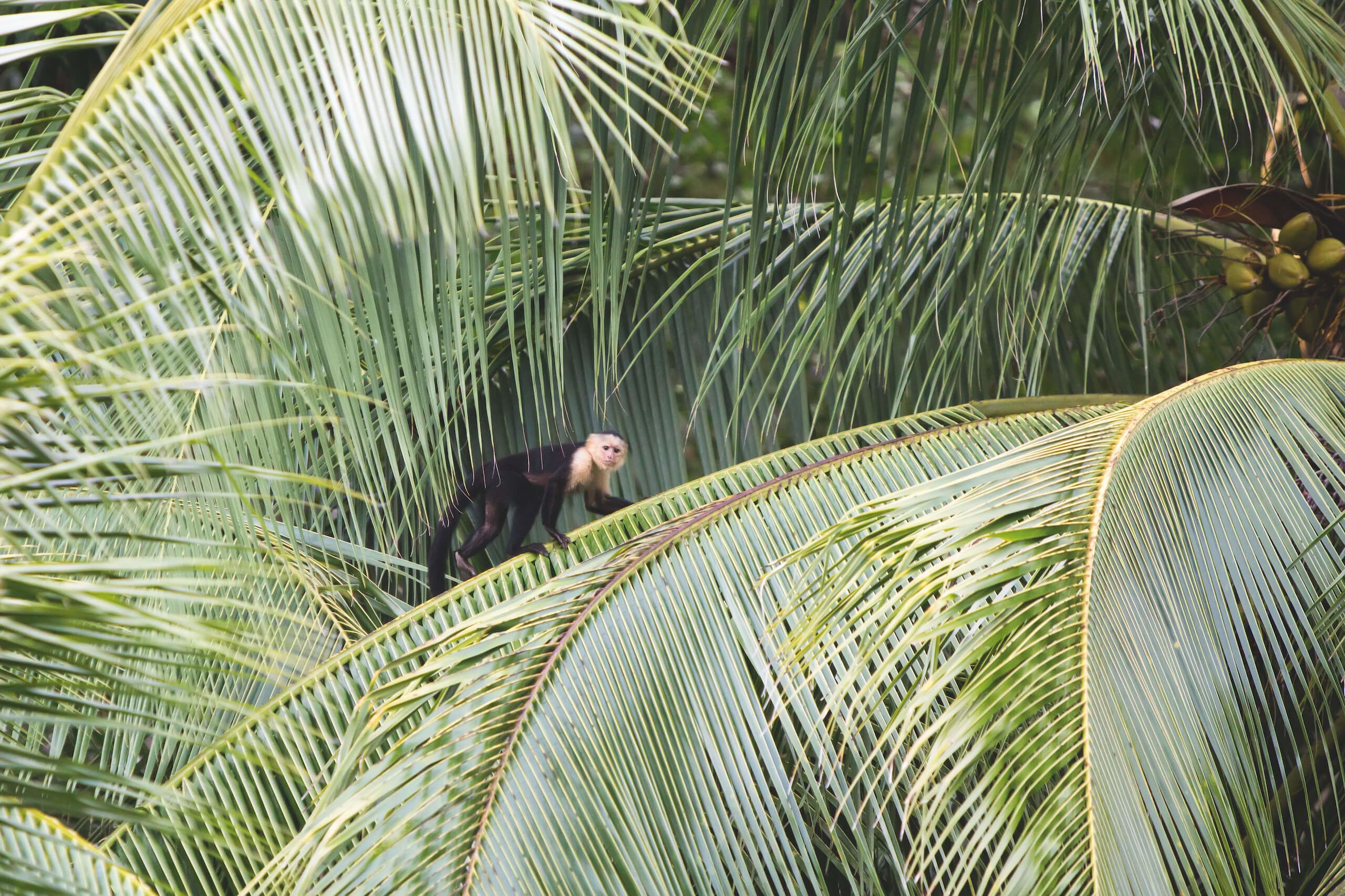
The immersion into nature starts immediately as Kontiki Wayra slips off towards the Islas Secas archipelago. Though less than 20 nautical miles off the Panamanian coast, it already feels like a world away.
Of the 14 islands in this chain, only one is developed – by the boutique Islas Secas Resort, a private hideaway with its own runway for flights from Panama City, where guests escape for whale watching, nature walks, scuba diving and wellness experiences. Yacht guests can stop here for a spa treatment or dinner ashore.
Islas Secas Resort
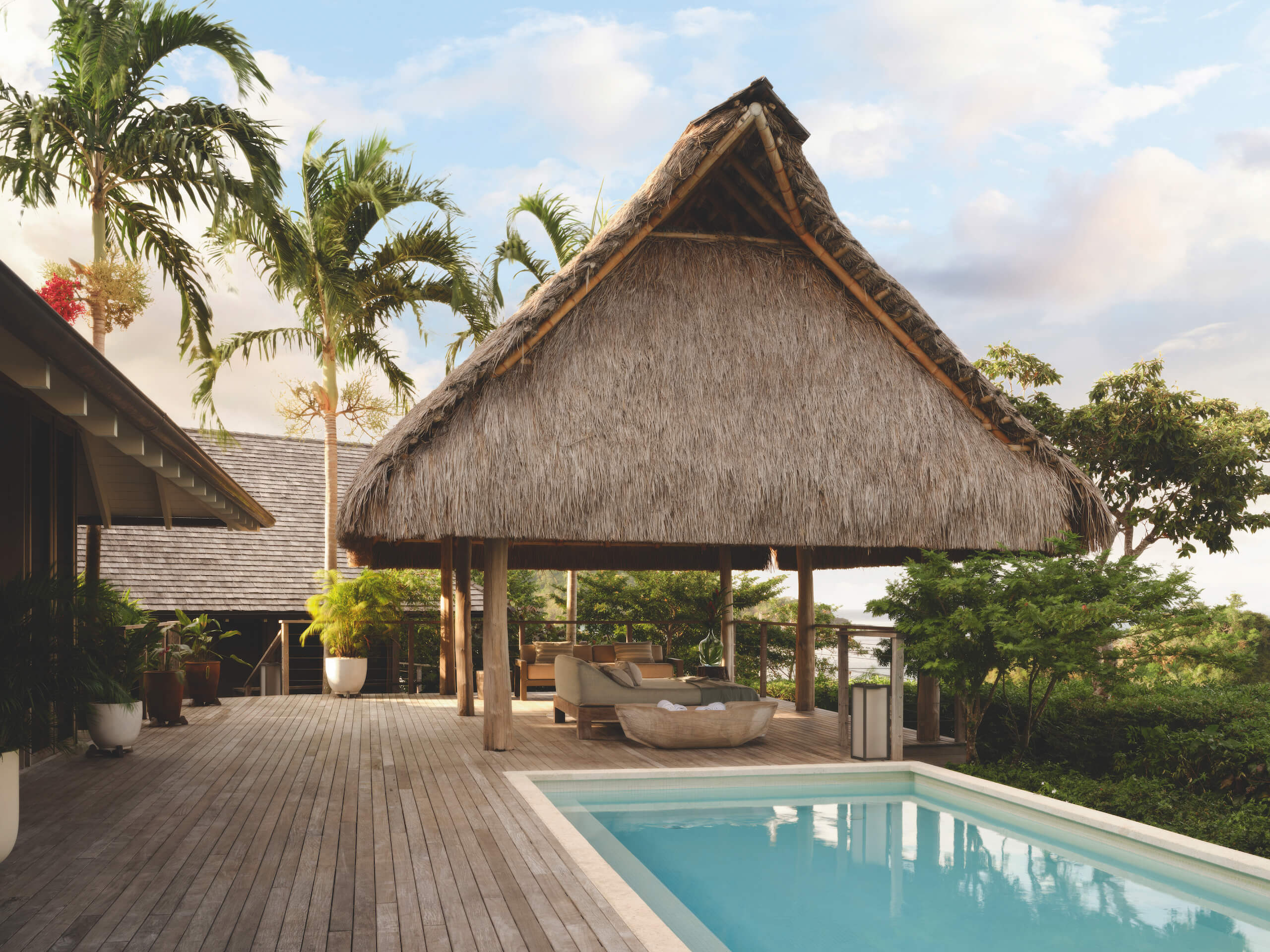
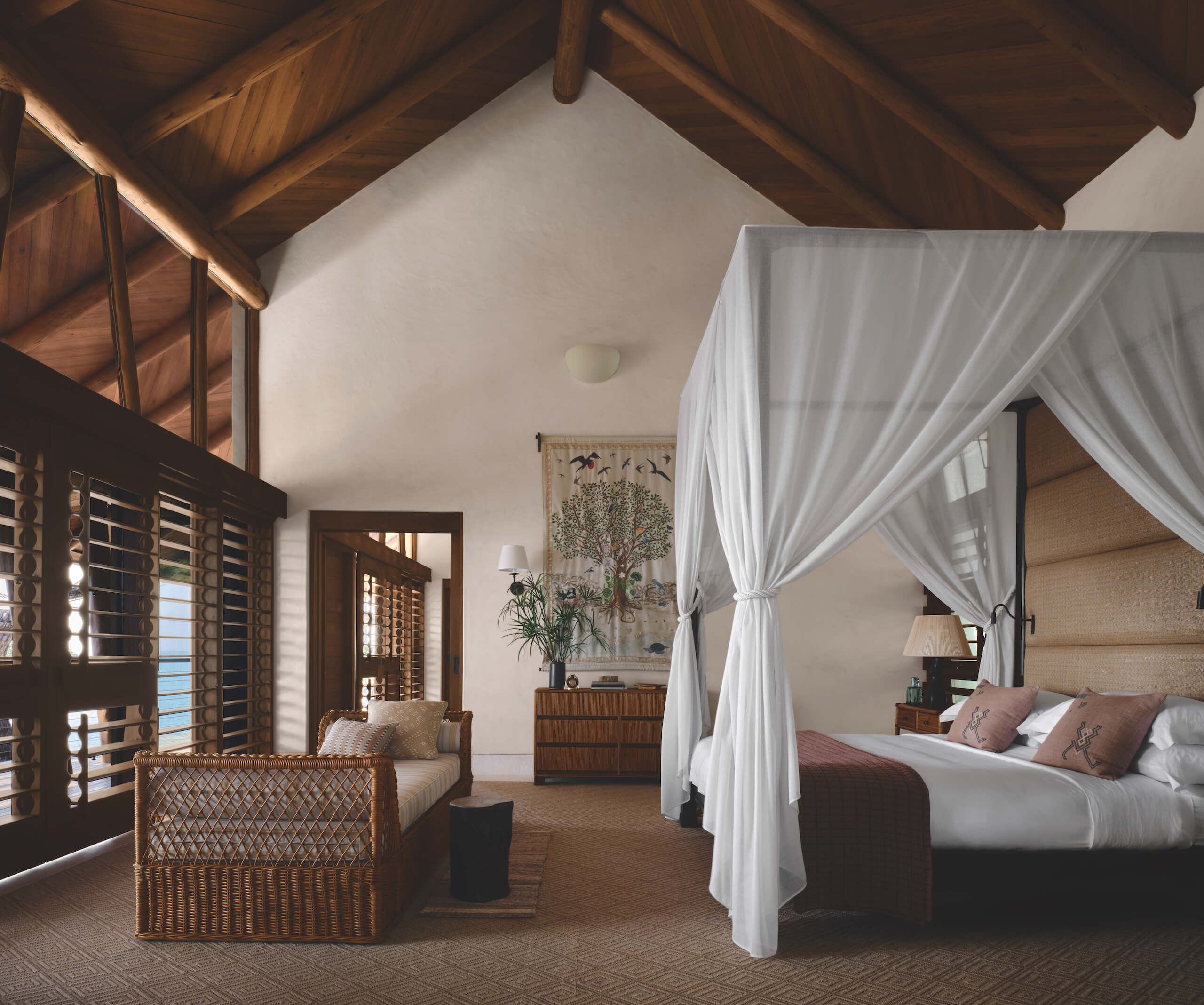
Leaving Islas Secas in its wake, Kontiki Wayra eases further into the Eastern Tropical Pacific Marine Corridor – a sweeping ecosystem of protected marine reserves that stretches from Panama to Cocos Island (part of Costa Rica) and the Galápagos, skirting the coastline of Ecuador and Colombia along the way. Fishing is illegal in the 500,000-square-kilometre corridor to protect turtles, whales and sharks in these biodiverse waters.

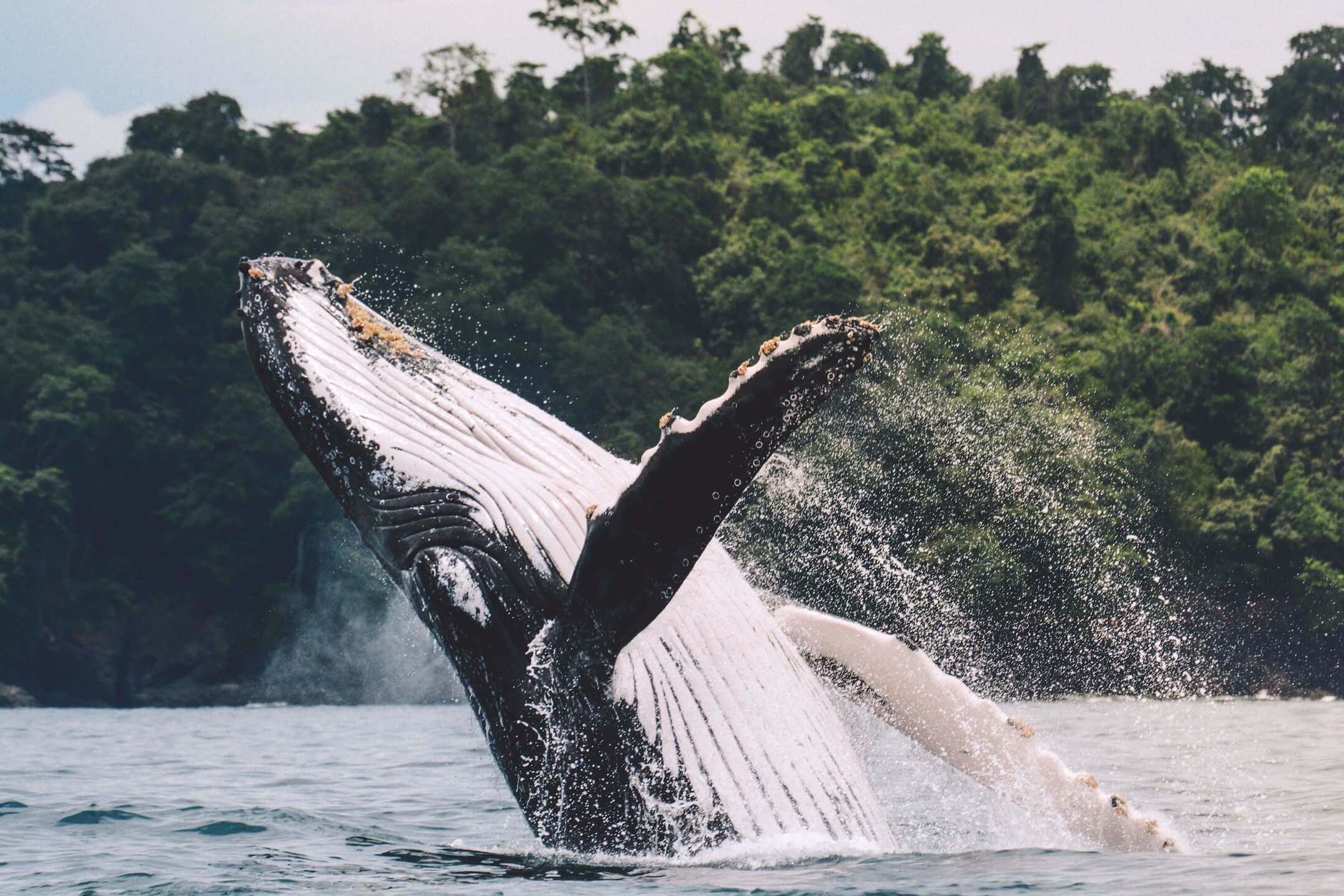
ISLA SECAS Islas Secas resort in Panama’s Gulf of Chiriquí is known to host two separate populations of migrating humpback whales
ISLA SECAS Islas Secas resort in Panama’s Gulf of Chiriquí is known to host two separate populations of migrating humpback whales
Entering the UNESCO World Heritage Site of Coiba National Park, these successful conservation efforts are on full display below the surface. With one of the eastern Pacific’s largest coral reefs, this area is a diver’s delight, made even more attractive by the fact that few tourist dive boats make the trek out here.
The scuba divers in our group submerge on the Lighthouse dive site, where bull sharks circle at a distance like slow-moving shadows. Even snorkelling just off Isla Canales de Afuera, where Kontiki Wayra is moored, reveals an abundant reef where sea turtles glide and eels curl out from beneath rocks.
Time spent on shore is just as intriguing.
“You can spend days in this area and never repeat the same thing,” Calderon says as we tender to Coiba Island. Just a few metres from the shoreline, an immense rainforest beckons. We walk in silence through a world where endemic species thrive – vibrant macaws flash through the canopy above, while twisting vines hang like rigging from the trees and trees tower up from the red clay dirt, which is damp from the gentle drip of an afternoon shower.
Capuchins and the Coiba howler monkey are found only on this island – and the call of howler monkeys echoes through the forest. The entire setting feels like nature left to its own devices. Because Coiba Island separated from the mainland more than 12,000 years ago, its forests evolved in relative isolation and the island is home to hardwood tree species that have largely been wiped out on the mainland.
IMAGE: ZDENEK MACHACEK
Wild parrots in Costa Rica


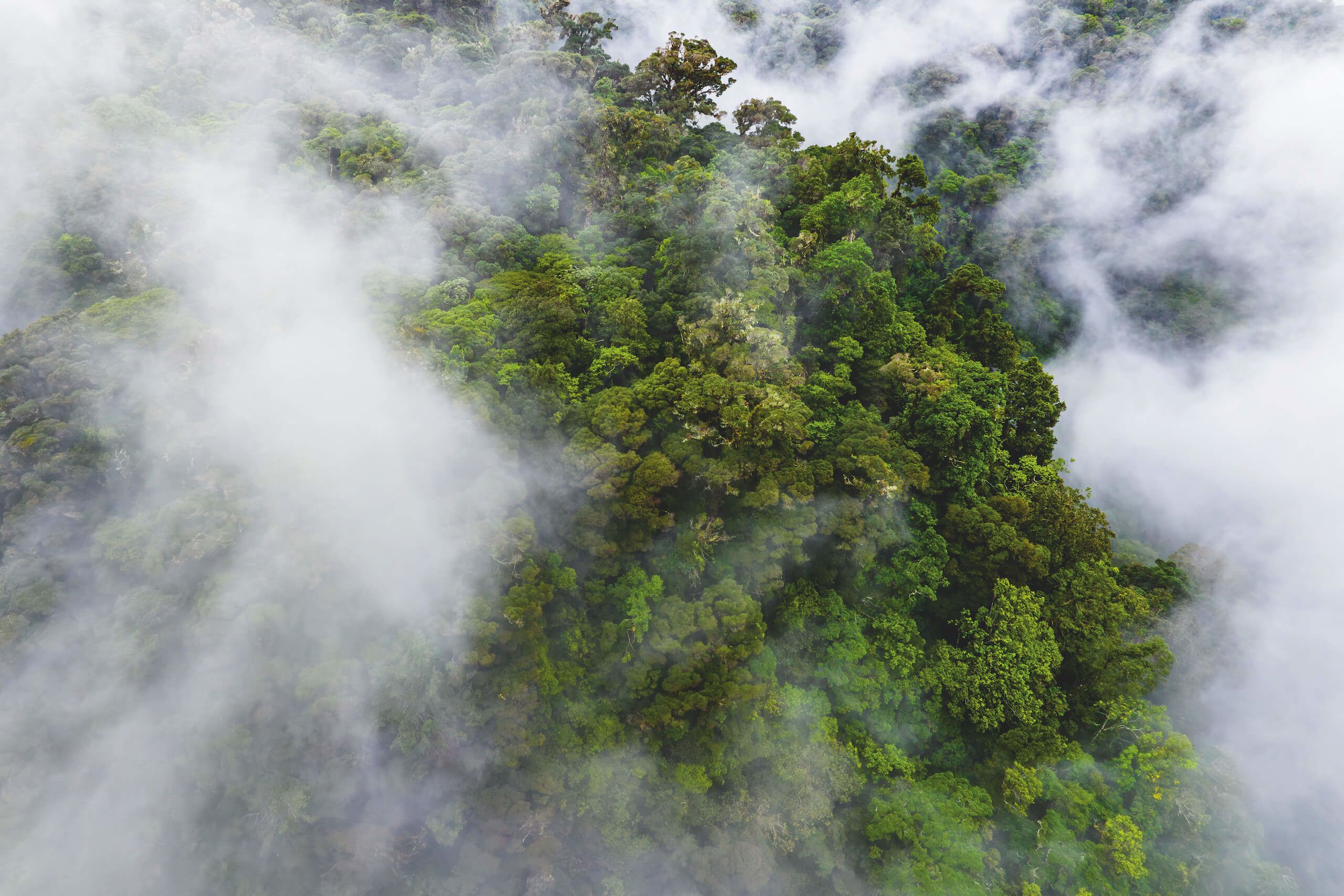
History hides in these trees too. Crumbling and consumed by vegetation, Coiba’s former penal colony, established in 1904 and operational during the reign of Panamanian military dictator Manuel Noriega, sits inland for visitors to explore. A ranger station also doubles as a small museum explaining the marine corridor’s significance. Meanwhile, the island’s mangrove-framed waterways offer a different perspective with quiet channels where crocodiles rest on muddy banks.
During our time on board, we are led by a pair of expert naturalist guides, who shape each journey with their deep local knowledge. Their insight is what transforms a coastal hop into a true expedition. “What makes Kontiki different is that we created a concept that allows guests to discover the region fully,” Núñez says. “You might take a kayak and slip into a hidden inlet, set up a beautiful beach picnic in a place only we know or taste the local gastronomy. It’s these off-the-beaten-path places that make it special.”
Before heading north to Costa Rica, we return briefly to the mainland Panama for a dose of terra firma. An easy drive inland, the town of Boquete sits in the cool highlands of Chiriqui, where cloud forests drape the mountains and adventure awaits. Visitors come for canyoning, biking, zip-lining, hot springs and 4×4 treks up the volcano, as well as honey, chocolate and coffee tastings.
At Lamastus Family Estates – famous for breaking a world record when its Geisha coffee sold for $13,518 per kilogram in 2024 – we walk through the shaded, forested hillsides where the pricey beans come to life.
Playa Cativo Lodge
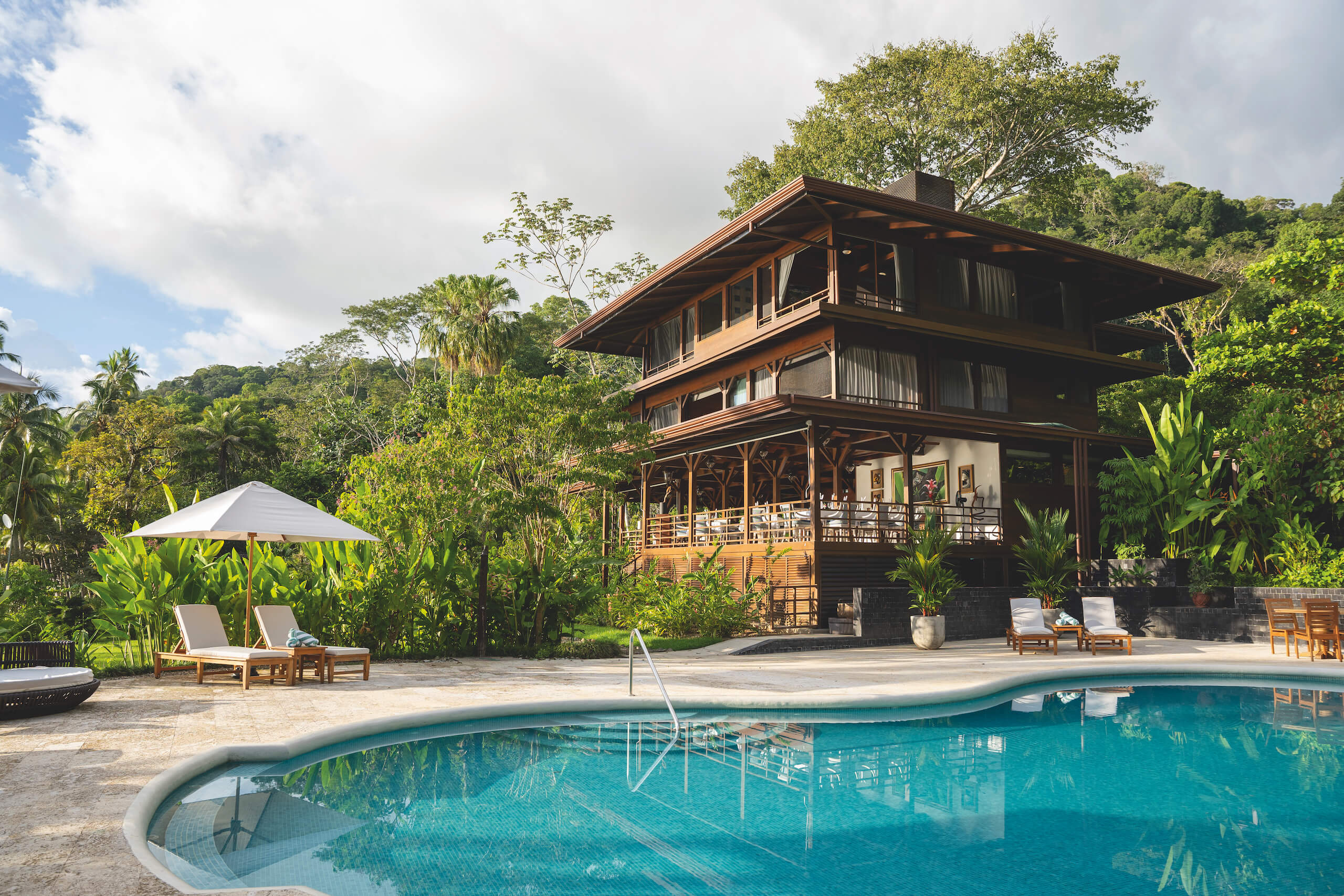
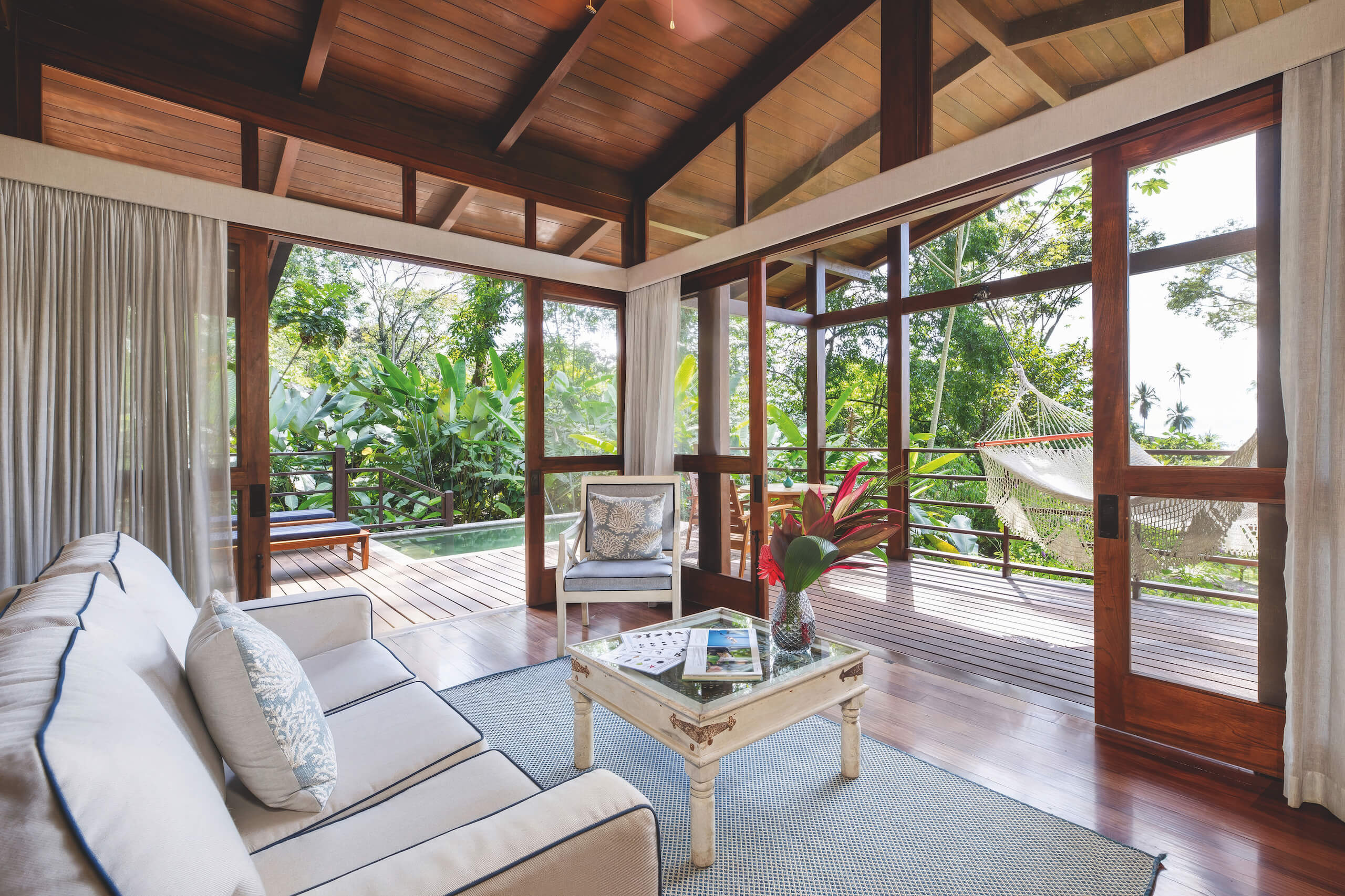
Costa Rica’s coastline is as long as it is varied, with multiple peninsulas jutting out from its shoreline, creating vast, protected gulfs. While the Nicoya Peninsula to the north draws crowds to its surf spots and five-star hotels, it’s the lesser-visited Osa Peninsula, at the country’s southern edge, that stands apart for its pristine rainforests and abundant wildlife.
The area is a hub for sport fishing as well, and Golfito Bay has an IGY marina popular among sportfishers where we spend the night before traipsing further into Golfe Dulce, “the sweet gulf”, which is one of only four tropical fjords in the world. Anchoring at the far north end, once again, Kontiki Wayra is the only yacht for miles around, and I relish in the utter solitude.
This secluded ecosystem is also a nursery for hammerhead sharks (which migrate from Cocos Island to give birth here), and a seasonal haven for humpback whales arriving from the south.
“Everything you see here is protected,” says naturalist guide and biologist Arlet Quiros as we kayak through mangrove-fringed inlets of the Golfo Dulce Forest Reserve. Established in 1979, the remote park is still one of the least-known in the country, because with no reliable trail system, the only real way to see it is by kayak or tender at high tide.
Kontiki Wayra’s chef elevates the onboard experience, turning locally derived ingredients into refined, imaginative dishes that feel far beyond what you’d expect from a small expedition yacht. But on our penultimate night on board, we step off the boat to try the cuisine at Playa Cativo Lodge, a luxe haven tucked deep in the jungle. Tendering back to the yacht in the black of night, the water is magically lit by the blue glow of bioluminescence.

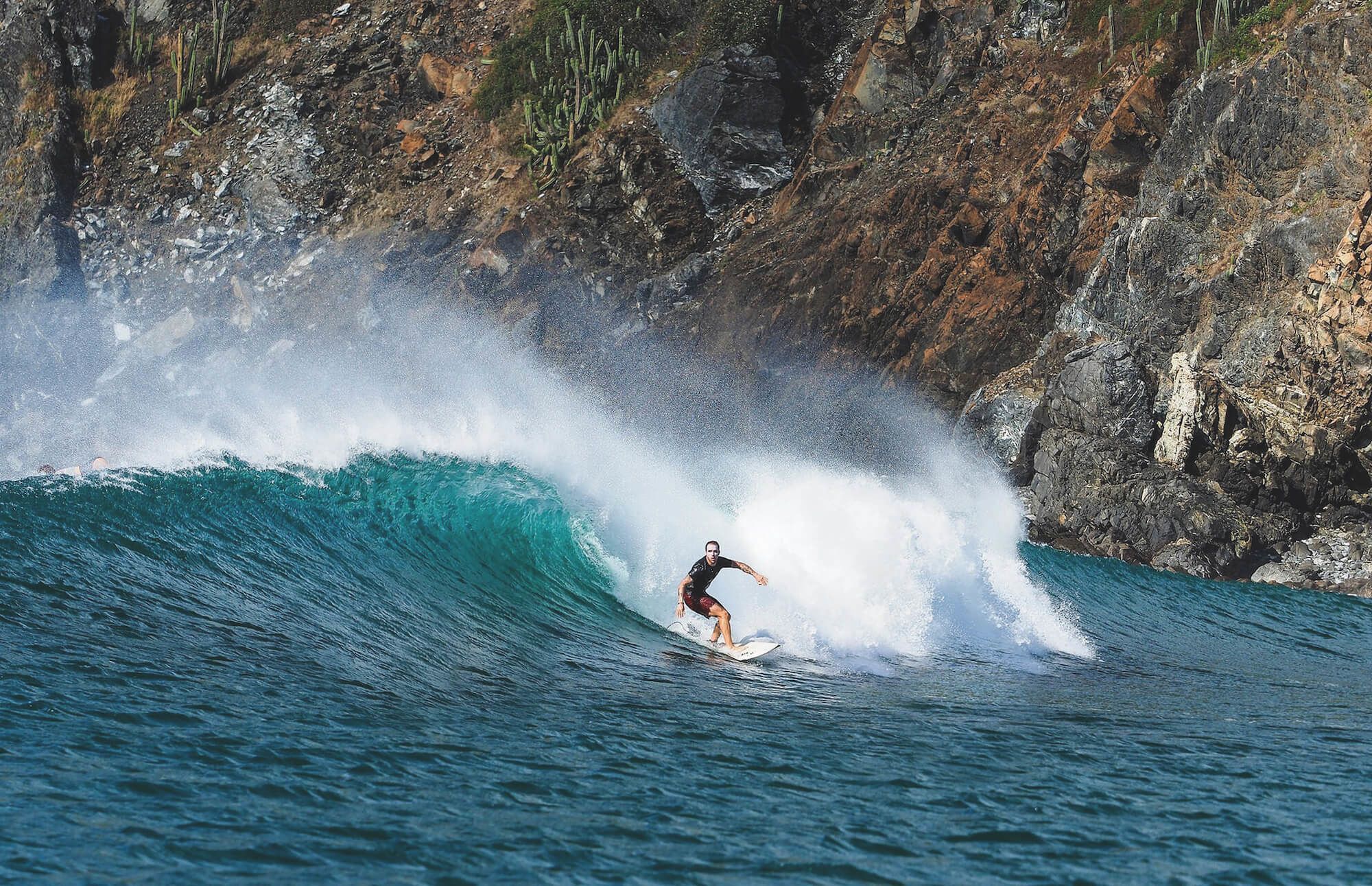
Panama’s Pacific coast offers great surfing all year round
There are few coastlines that still feel undiscovered, but the Pacific shores of Costa Rica and Panama come remarkably close

Wildlife is one of Costa Rica’s biggest draws, and the Osa Peninsula delivers in droves. “It’s one of the most biologically intense places in the world,” says Quiros, noting that nearly half of Costa Rica’s biodiversity is packed into this small landmass.
Corcovado National Park lies at its heart, and its inaccessibility is part of the appeal, as you can only reach it by boat or via a strenuous four-day trek. A fibreglass boat helmed by local guides picks us up from Kontiki Wayra, and we ride the surf, landing at a driftwood-scattered beach.

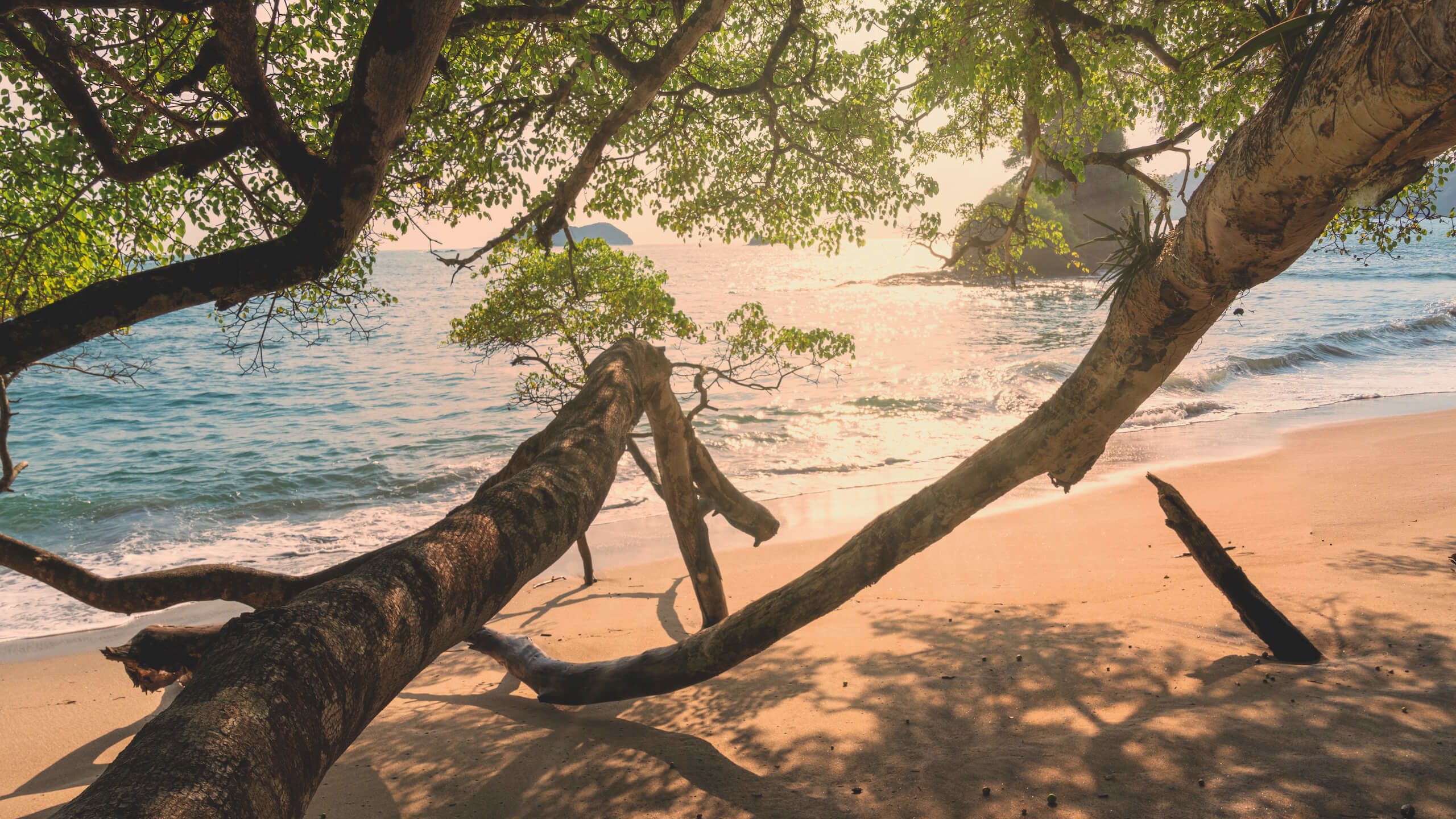
In Corcovado, the wildlife feels almost unfazed by human presence, allowing for remarkably intimate encounters.
Movement in the canopy reveals monkeys, while tapirs, the largest land animals in Central America, snooze in the shade with their babies, ears flicking as they dream. Leaf-cutter ants march in columns across the trail, and the lucky may glimpse sloths, wild pigs or even jaguars. Along the way, we spot the tinamou, the “mountain hen”, which hides its turquoise eggs in tree roots.
A testament to the power of rewilding, it’s surprising to learn that this lush habitat is only a few decades into recovery: once mined and settled during the mid-century gold rush, it was declared a national park in 1975 and has since become a striking example of how quickly nature can restore itself.
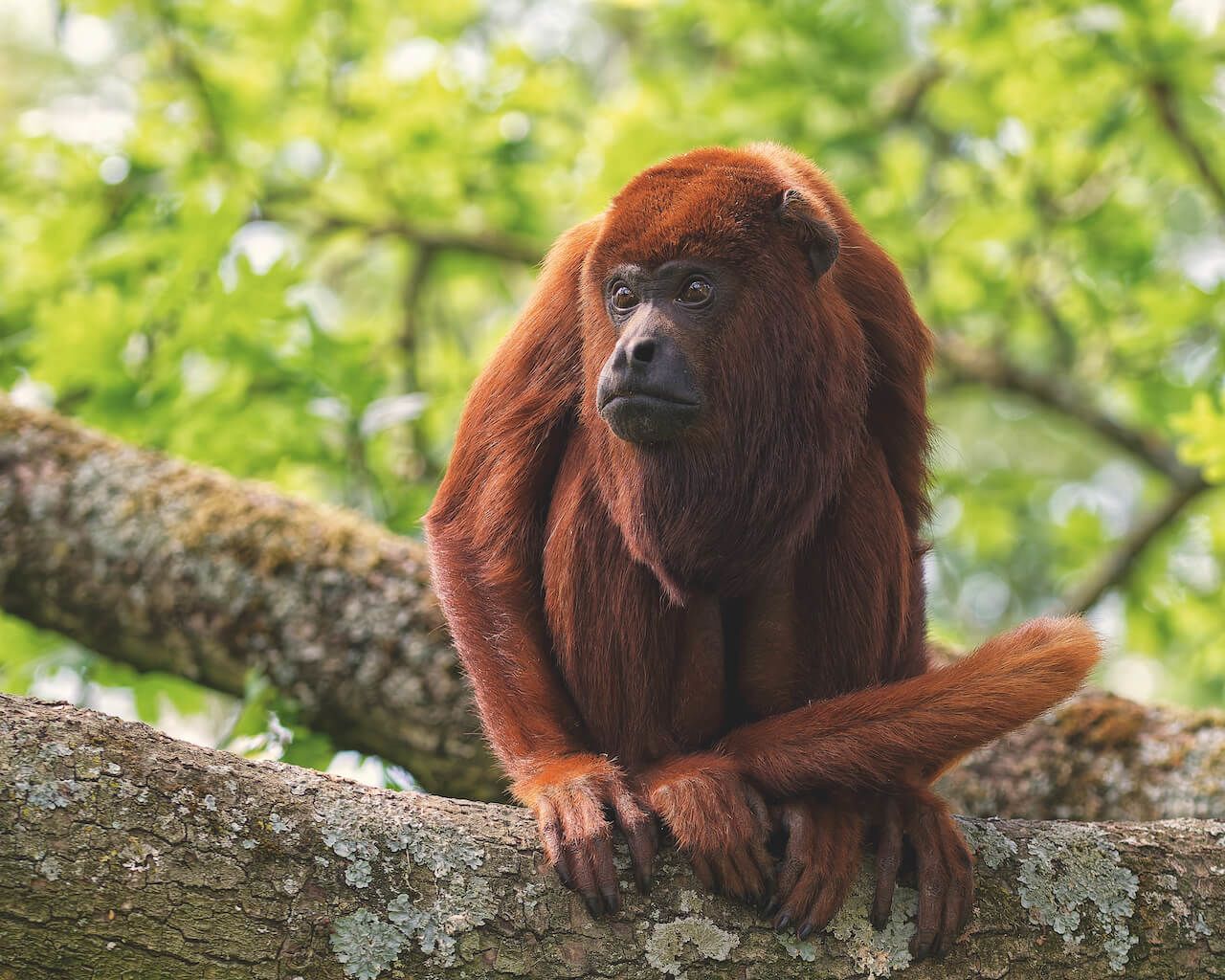
GETTY IMAGES Red-furred howler monkey
GETTY IMAGES Red-furred howler monkey

GETTY IMAGES White-nosed coati, which are common throughout the country
GETTY IMAGES White-nosed coati, which are common throughout the country

ZDENEK MACHACEK The keel-billed toucan
ZDENEK MACHACEK The keel-billed toucan
By the time our journey draws to a close, the wild coastline feels both familiar and impossible to fully grasp; its dramatic bays, mangrove channels and verdant rainforest offering a kind of solitude seldom found today.
As Calderon says, “We are focused on a different type of luxury – a luxury of immersive experiences, where you really get to see a location from within, discovering local culture and reaching remote places where it’s just you and the wild around you.” Out here, that rings true: the real indulgence is the rare feeling of having a corner of the world entirely to yourself – and in this case, one that’s surprisingly close to home. pelorusyachting.com
“We are focused on a different type of luxury – a luxury of immersive experiences, where you really get to see a location from within.”


First published in the February 2026 issue of BOAT International. Get this magazine sent straight to your door, or subscribe and never miss an issue.
 Built with Shorthand